Making something (whatever that is) involves planning and arrangement. This is similar to visual composition in design. Composition is all about arranging elements in your design.
Think of it as creating a visual road map. For this there are some core principles which designers typically rely on to make appealing and effective visuals. These principles are often interrelated, complementing and influencing each other.
The list varies depending on personal preferences and what branch of design is being considered. Here I’ve compiled a guide to principles that I think will strengthen your compositions:
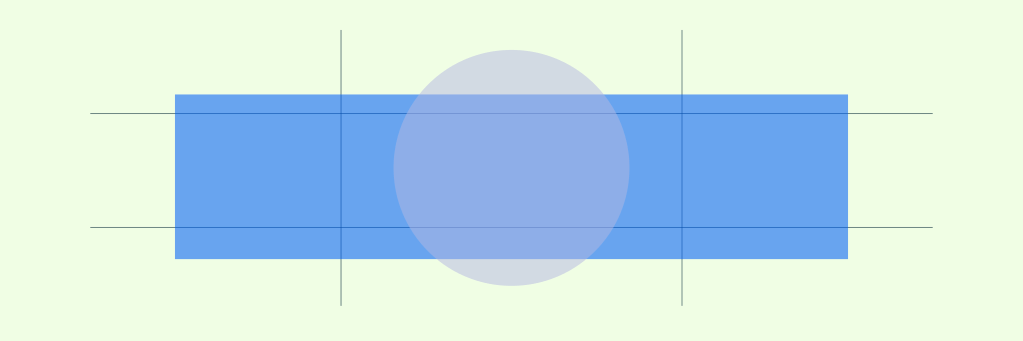
- The rule of thirds: By dividing your design into nine equal parts, you can place important elements along these lines or at their intersections to create a balanced composition. This can be really helpful as a guide as you design.
- Visual hierarchy: This is all about arranging elements from most important to least important. The most important element should grab attention first, guiding the viewer through the rest of the design. A few ways to achieve this are differing size or brighter coloring.
- Balance and symmetry: These are crucial features for calming visual chaos. Symmetrical designs are balanced, harmonious, and keep the audience engaged.
- Negative or white space: It’s all about giving your design room to breathe. It helps avoid clutter, and it can highlight key elements.
- Contrast: Contrast is essential for making elements stand out. You can achieve contrast by varying color, size, or shape. This variation creates visual interest and emphasizes important parts of your design.
- Repetition and rhythm: Create unity and consistency by repeating elements throughout your design. This can be through colors, shapes, or patterns, providing a cohesive look.
- Complimentary design elements: Ensures all parts of your design work together harmoniously. This can be achieved by using elements that compliment each other in color, style, and function.
These principles help ensure your designs are visually appealing and effective. By understanding and applying them, you’ll be able to create compositions that not only look great, but also communicate your message effectively!
 Lowfi Design